

Debunking the Popular Myths and Misconceptions About Dental Implants!
<
The Dental Implant Surgical Procedure
The procedure to surgically place a dental implant generally takes 20 to 30 minutes for one implant and only 1 to 2 hours for multiple implants. The number of appointments and time required, vary from patient to patient.
You will receive antibiotics to begin the day before surgery, or as instructed by Dr. Pollaccia. Most implants can be placed with local anesthesia, for greater comfort, intravenous sedation is an option. These options will be discussed with you at your consultation appointment.
Once anesthetized and comfortable, Dr. Pollaccia makes a small incision in the gum tissue to reveal the bone, creates the space (osteotomy) using special instruments, and gently inserts the implant. The top of the implant is often visible through the gum tissue. Sometimes it is better in the early stages of healing to have the implant covered by the gum tissue, the most appropriate option will be determined by Dr. Pollaccia for your particular case.
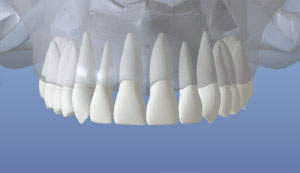
1. Normal
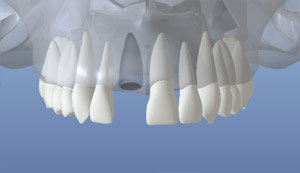
2. Tooth Loss
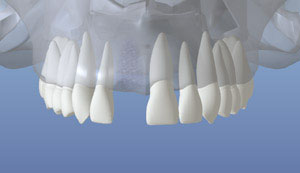
3. Healed Bone
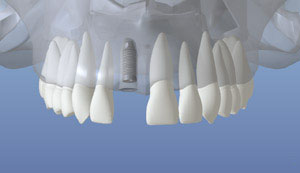
4. Implant Placed
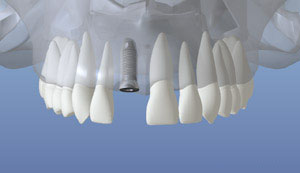
5. Healing
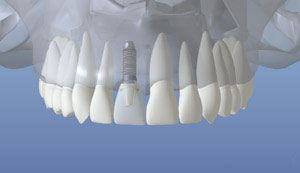
6. Implant Restored
Looking For An Exceptional Oral Surgeon?
Dr. Pollaccia can treat a variety of problems related to the mouth, teeth and facial regions. Contact us today to schedule an appointment!
Healing after Dental Implant Surgery
Now the healing of the bone/implant interface begins. The length of time varies from person to person, depending upon the quality and quantity of bone. In some cases, implants may be restored immediately after they are placed, however, highest predictability of success requires a delayed period of time before the implant is restored. Dr. Pollaccia will advise you on follow-up care and timing for implant healing. After the initial phase of healing is complete, Dr. Pollaccia places a temporary surgical abutment (healing cap) onto the dental implant during a brief follow-up visit. This allows gum tissue to mature and provides access to the implant.
Whether it’s one tooth or all of your teeth that are being replaced, your dentist will complete the restoration by fitting the replacement tooth (crown) or dentures onto the dental implants.
Dental Implants Presentation
To provide you with a better understanding of dental implants, we have provided the following multimedia presentation. Many common questions pertaining to dental implants are discussed.

When are dental implants placed?
Implants are often placed several months after your tooth extraction. At times, an implant may be placed immediately after extraction of a tooth. This may involve a little more risk, but hastens the process thereby you will not have to wait for another appointment to place the implant. When infection or other problems with the bone are present, immediate implant placement is not the best treatment option.
If your tooth has been missing for some time, the adjacent support bone is likely to grow thinner and shrink. This occurs because the root of the natural tooth has to be present to stimulate the bone. As much as one third of your jaw’s thickness can be lost in the first two to six months following tooth extraction. If you are missing enough bone, you may benefit from having additional bone grafted into the area. This ensures the implant will be adequately supported when it is placed in the jaw.
How many implants do I need?
Most frequently, one implant per missing tooth is placed. Because many of the larger teeth in the back of your jaws have two or three roots, the most common approach is to replace missing back teeth with larger implants.